
Welcome to a journey through the cultural heart of Alto Tajo. This area, known for its impressive natural beauty, also conceals a rich historical and ethnographic heritage that will transport you through the centuries. From ancient Celtiberian hillforts to picturesque mountain villages, as well as museums, interpretation centres and archaeological sites, Alto Tajo is an open book of history and tradition waiting to be discovered. Prepare for a cultural adventure that will awaken all your senses and connect you with the roots of this ancient land.

CELTIBERIA
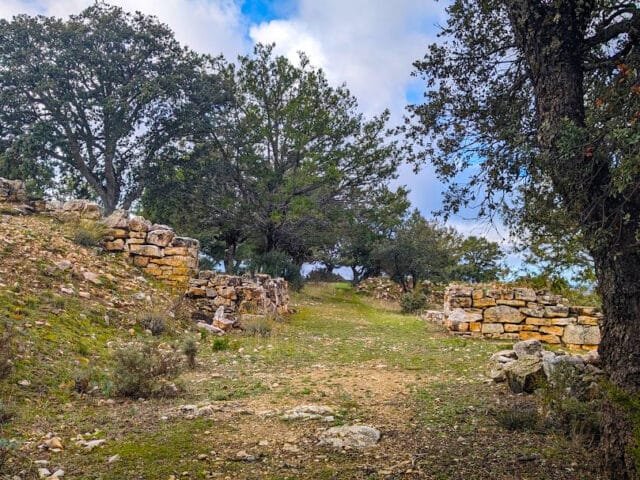
Imagine a time when proud warriors and skilled craftspeople inhabited these lands. The Celtiberians, a fusion of Celtic and Iberian cultures, left an indelible mark on Alto Tajo. Their hillforts, veritable fortresses on high ground, still defy the passage of time, offering us a window into a heroic and mysterious past.
HILLFORTS TO VISIT
- El Ceremeño: A journey to the heart of Celtiberian culture. This exceptionally well-preserved hillfort lets you walk the same streets our ancestors walked more than 2,000 years ago.
- Peña Moñuz: Perched on a hilltop, it offers impressive views of the surrounding landscape. Imagine Celtiberian sentries watching the horizon from this strategic point.
- Castilgriegos: A fascinating example of Celtiberian defensive architecture. Its walls and structures transport you to an era of conflicts and alliances between tribes.


INTERPRETATION CENTRES
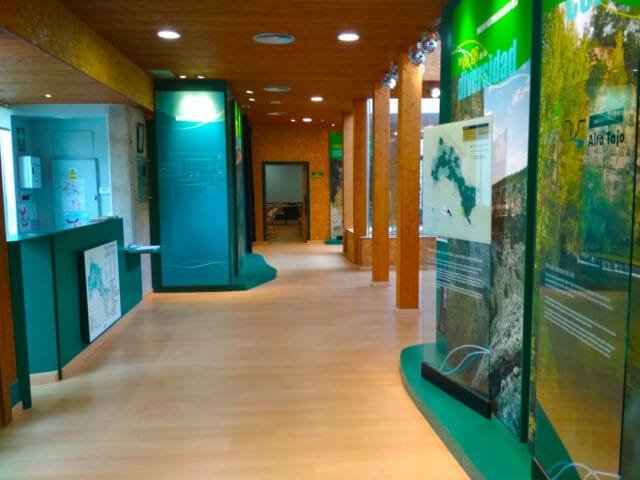
Alto Tajo’s interpretation centres are more than mere museums. They are gateways to knowledge, where information is presented interactively, engagingly and accessibly for all audiences. Through exhibitions, audiovisual displays, workshops and guided activities, you can explore the essence of Alto Tajo and discover its hidden treasures.
Alto Tajo has a network of four interpretation centres, each with its own theme and focus:
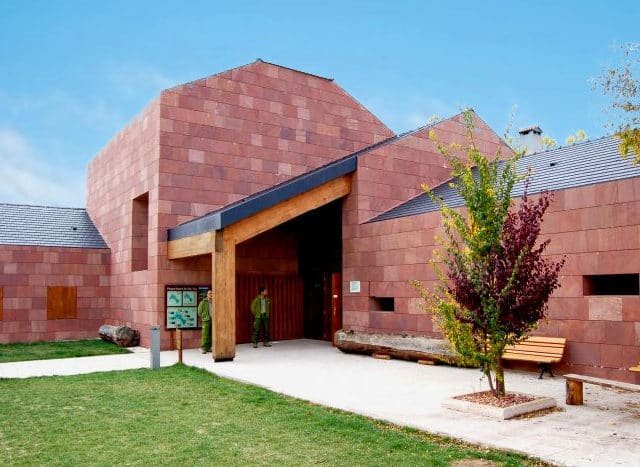
- Centro de Visitantes Dehesa de Corduente: The park’s main visitor centre, set in a privileged natural setting. It offers an overview of Alto Tajo, from its geology and flora to its fauna and traditions.
- Centro de Interpretación del Río Tajo in Zaorejas: A tribute to the River Tagus, source of life and driver of the region’s development. You can learn about its course, ecosystems and importance to people.
- Centro de Interpretación de la Ganadería Tradicional del Alto Tajo in Checa: A tribute to livestock farming, an ancient activity that has shaped Alto Tajo’s landscape and culture. Discover traditional herding techniques, the lives of shepherds and the fundamental role livestock farming plays in the balance of the ecosystem.
- Centro de Interpretación Sequero de Orea: A journey into the past at the Sequero de Orea, a former drying house for pine cones used to reforest the area’s woods. You can learn about traditional woodworking techniques and how the gancheros handled this valuable resource.


ETHNOGRAPHIC HERITAGE: LIFE IN THE MOUNTAINS
Alto Tajo captivates you not only with its dreamlike landscapes and rich history, but also invites you on a journey through time through its ethnographic heritage. Enter a world of ancient traditions, old trades and unique architectural features that transport you to the very essence of this magical land.


Interpretive visits with El Observario
Plan a visit to understand the landscape, heritage and life of Alto Tajo. Tell us what interests you and about your group to enquire about an El Observario proposal.
VILLAGES
A stop in Alto Tajo should always include a visit to its charming villages, little gems hidden among mountains and valleys that transport you to the essence of rural Spain. Each, with its own character, architecture and distinctive features, offers an authentic and unforgettable experience.
Walk their cobbled streets and admire their stone houses, adorned with flower-filled balconies and coats of arms. Immerse yourself in their peaceful and welcoming atmosphere, where time seems to have stood still. Talk to their people, friendly and hospitable, always willing to share their traditions and customs with you.
Take part in their festivals and traditions, full of colour and joy. Let yourself be carried away by traditional music and enjoy the festive atmosphere. Discover local crafts, made with age-old techniques and fine materials.
Some villages you must not miss:


MUSEUMS: GUARDIANS OF MEMORY
Alto Tajo offers not only dreamlike landscapes and a rich ethnographic heritage, but also invites you on a journey through history and culture in its museums. Discover the fascinating history of this region, from its origins to the present day, through unique collections and interactive exhibitions.
A journey through the history of Alto Tajo:
- Museo de Molina de Aragón: Housed in the former convent of San Francisco, this museum holds a wide collection of pieces ranging from prehistory to the contemporary era. You can admire archaeological remains, works of art, traditional furniture and much more.

SMALL LOCAL MUSEUMS
- Museo de la Minería de Peñalén
- Museo Paleontológico “El Mirón” Maranchón
- Museo etnográfico Jorge Bande
- Centro de Interpretación de la Torre de Aragón
- Museo Abierto Hombrados
Inland saltworks: Alto Tajo’s salty treasure
In the heart of Alto Tajo, a dreamlike landscape carved by the River Tagus and its tributaries, lies a historical and natural treasure: the saltworks. These old salt production sites, some of which can be visited, take us back to an era of economic and cultural prosperity and offer a fascinating journey through industrial heritage and tradition.
Las Salinas de Saelices de la Sal: A journey into the past
Among the saltworks open to visitors in Alto Tajo, the Salinas de Saelices de la Sal stand out. Declared a Site of Cultural Interest, these saltworks invite you to explore their evaporation pans, wells and factories, where you will learn about salt extraction methods and their importance to the local economy. The guided tours, available every weekend, immerse you in the history of this unique site and let you discover the secrets of “flor de sal”, a high-quality product with a curious production process.
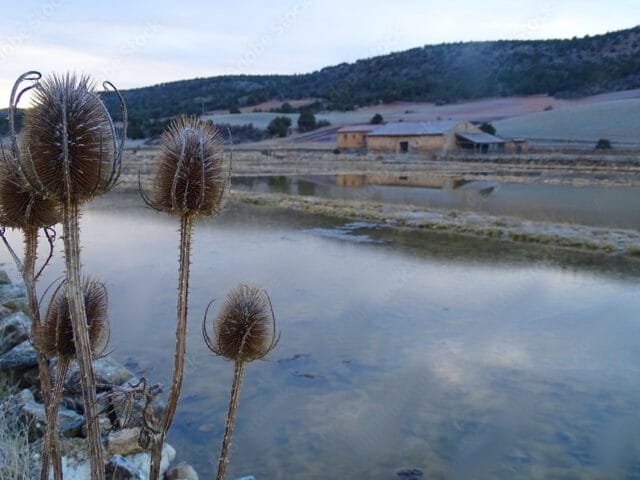
The Salinas de Armallá are closely linked to the way local people used the resources offered by the land.
View more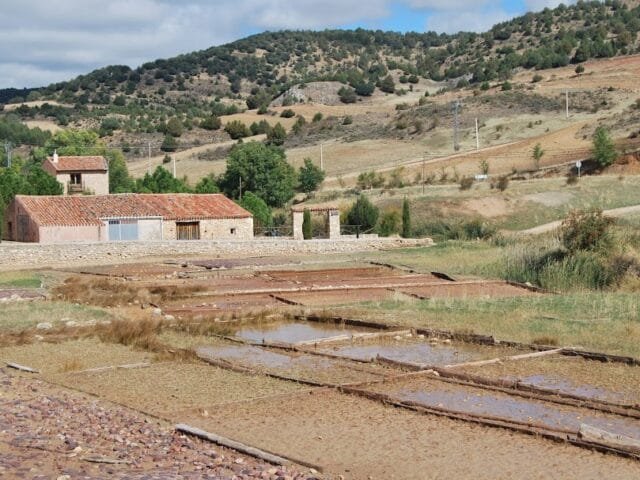
Salinas de Terzaga, important during the Middle Ages, when salt was used for human consumption, preserving food, tanning hides and more.
View more
The Salinas de San Juan consist of two restored saltworks. Guided tours are available and you can even buy the salt produced there.
View more