
Category: Places to visit
All kinds of places worth visiting

Valle de los Milagros brings together the reddish Linares pinnacles and the area around Los Casares.
View more
Laguna de Taravilla lies in the River Tagus canyon, halfway up the slope on its right bank near Salto de Poveda.
View more
The historic centre of Checa is one of the prettiest in Guadalajara. Built among ravines, it has a close relationship with water.
View more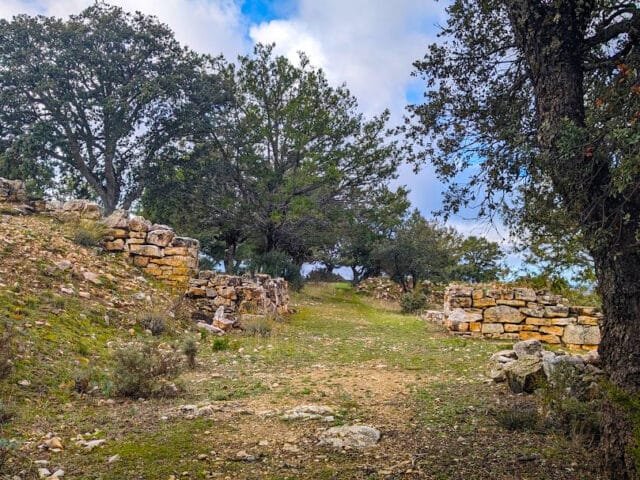
The Celtiberian hillfort of Peña Moñúz lies in the beautiful Dehesa de la Olmeda. Its remarkably well-preserved chevaux-de-frise are particularly noteworthy.
View more
Structures found in Alto Tajo’s juniper woodlands. Built of stone and juniper wood, they sheltered herders and livestock.
View more
Hundido de Armallones is a spectacular rocky escarpment formed when the side of the Tagus canyon collapsed due to an earthquake.
View more
The Chozón Museo de Ablanque is a perfectly restored example of these traditional buildings.
View more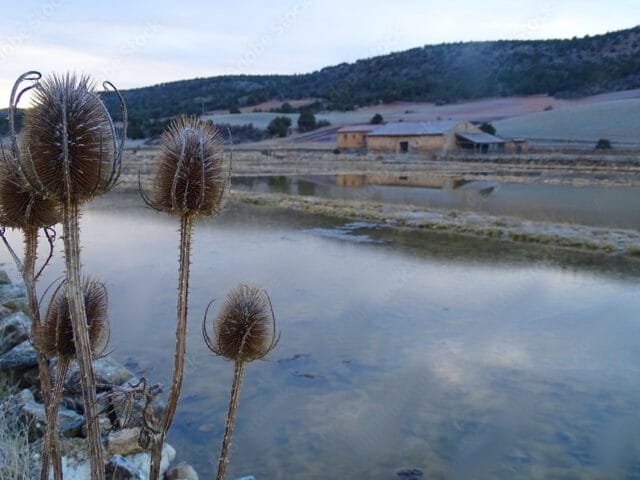
The Salinas de Armallá are closely linked to the way local people used the resources offered by the land.
View more
‘El Ceremeño’ is a small Celtiberian settlement strategically situated on an isolated hill (1,067 m) overlooking the Saúco stream valley.
View more
The Casa de la Herrería centre occupies the former Casa de la Herrería, a traditional building made of tufa stone
View more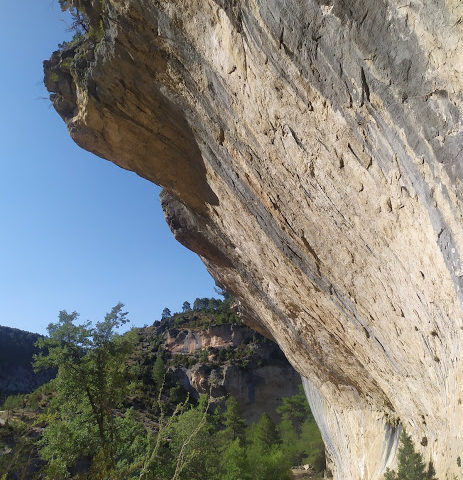
Barranco del Horcajo, a narrow canyon carved into limestone, with numerous botanical treasures more typical of other latitudes
View more
Molino de Alustante is an old windmill that has recently been rebuilt. It was built because of a lack of water in the 19th century.
View more
The Casa Fuerte de Vega de Arias is a small fortified manor house that formed a small hamlet on the banks of the River Bullones, near Tierzo.
View more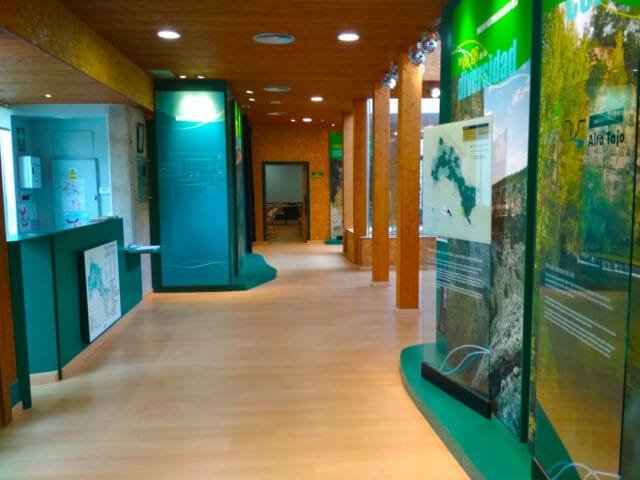
This River Tagus interpretation centre helps visitors learn about the river, especially as it passes through the natural park.
View more
Salto de Poveda arose where an unfinished weir was planned and is now an impressive waterfall.
View more
The Salinas de la Inesperada were built as a communal enterprise in 1860 and operated continuously until 1936.
View more
These distinctive, circular livestock shelters were used to house sheep and goats until a few years ago.
View more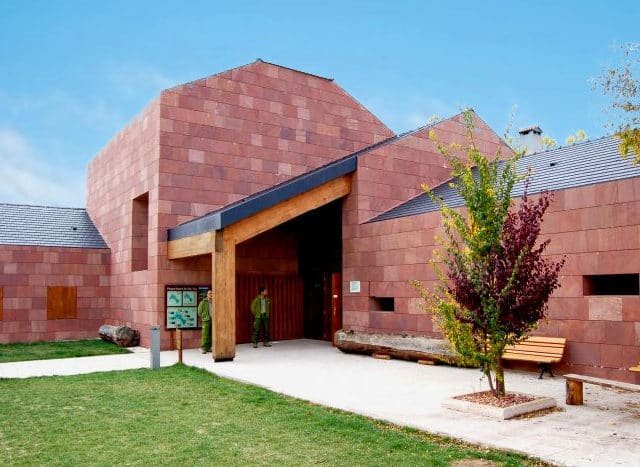
The Sequero de Orea Interpretation Centre occupies a former pine-cone drying house whose seeds were used to reforest local woodlands
View more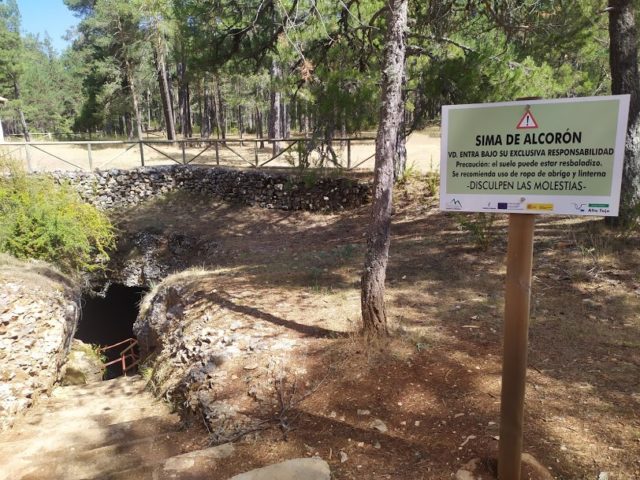
Sima de Alcorón is a 63 m deep natural shaft equipped with steps for visitors, which must be descended with care
View more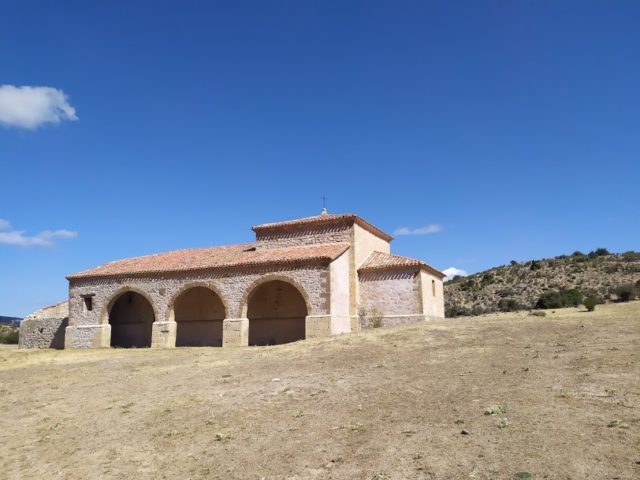
The Ermita de Ribagorda is a medieval hermitage rebuilt in the 18th century. It is one of the most emblematic in Alto Tajo.
View more